Samsung ranges (NE electric, NX gas and dual-fuel) share a lot of internal architecture across models, but what drives repair cost is rarely the brand badge — it is which subsystem failed and how accessible it is. This guide breaks down what actually moves the needle on a range repair, written independently and not affiliated with Samsung.
What drives the cost of a range repair
- Which system failed: a control board or MICOM display failure (the C-F0/C-d0/C-20 family) generally involves more diagnostic time than a mechanical part like an igniter or a burner switch, since electronic problems require confirming the board itself is bad rather than a sensor or wiring feeding it.
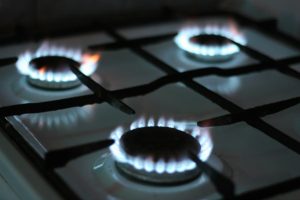
- Gas vs. electric: NX gas and dual-fuel ranges add igniters, gas valves, and safety valves to the mix. Diagnosing a weak or clicking igniter is usually straightforward, but a gas valve replacement takes longer and requires leak-testing before the unit is put back in service.
- Self-clean lock issues: if the oven door latches during a self-clean cycle and won’t release, the latch motor or switch assembly is often responsible. This is a common and moderately involved repair because the door has to come apart to access it.
- Age and part availability: older NE and NX ranges may need parts sourced through secondary channels once Samsung discontinues a specific control board, which can add lead time even if the diagnosis itself is quick.
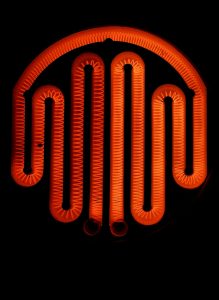
- Induction vs. radiant cooktop surface: induction elements on some range models use pan-detection circuitry (the flashing “u” indicator) that is a different repair path than a standard radiant coil or glass-top element.
Repairs that tend to be quicker and less involved
A single failed burner switch, a bake or broil igniter that has weakened over time, an oven light socket, or a door hinge are typically diagnosed and resolved in one visit with commonly stocked parts. These do not usually require pulling the range fully apart or extended board-level testing.
Repairs that tend to be more involved
A range showing a C-F0, C-F1, or C-F2 communication error between the main control board and the display often means testing wiring harnesses at both ends before condemning a board, since a loose connector can mimic a board failure. Similarly, a C-24 code (temperature rising too fast, or a blocked vent) requires checking the exhaust path and the oven temperature sensor together rather than replacing a single part blindly. Convection fan motor replacements and self-clean latch assemblies also tend to take longer because of disassembly required to reach them.
How to get an accurate estimate
The most reliable way to scope a repair before a technician arrives is to note the exact code shown on the display, when it appears (during preheat, during self-clean, or randomly), and whether the range is gas or electric. A model number from inside the door frame also helps confirm which control board and igniter type your unit uses. Bring that information to your appointment and a technician can usually confirm the likely part before opening the range. Visit our range repair service page to schedule a diagnostic visit, or check Samsung’s own documentation at samsung.com/us/support for your specific model’s specs.
A note on safety
Gas range repairs involving the valve or igniter assembly should always be left to a qualified technician, since improper reassembly can create a gas leak risk. Never attempt to bypass a self-clean door lock or a safety interlock yourself.
This guide is provided by an independent appliance repair service and is not affiliated with, endorsed by, or sponsored by Samsung Electronics.