A Samsung cooktop sees more spills, splatters, and pan-dragging than almost any other surface in the kitchen, and that daily contact is exactly why regular care makes such a difference in how long it keeps working properly. Whether you have a radiant electric or induction model, the maintenance habits that matter most are simple and take only a few minutes.
Clean spills before they burn on
Sugary or acidic spills left to sit and then reheated can etch or discolor the glass surface, and on induction models, residue trapped near the coils can interfere with pan detection over time. Wipe up spills once the surface has cooled enough to touch safely, and do a full glass-cleaner wipe-down after each use if you cook with anything that splatters. Avoid abrasive scrubbers or scouring pads, which can scratch the glass-ceramic surface permanently.
Use the right cookware
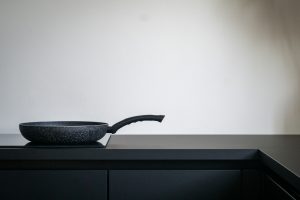
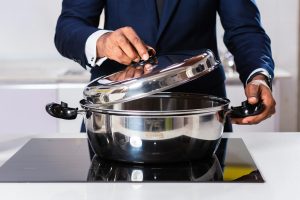
On radiant electric cooktops, pans with warped or uneven bottoms don’t make full contact with the element, which forces it to run longer and hotter to compensate. On induction models, cookware needs to be magnetic at the base — glass, aluminum, and copper pans without a ferromagnetic layer won’t heat at all and will trigger the “u” pan-detection indicator repeatedly. Flat-bottomed, properly sized cookware centered on the element is the single biggest factor in even heating and long-term element life on either type.
Don’t drag pans across the surface
Sliding heavy cookware across a glass-ceramic cooktop instead of lifting it is one of the more common causes of scratching, and repeated scratching in one spot can eventually create a weak point in the glass. It’s a small habit change with a real payoff in how long the surface stays in good condition.
Keep the control panel dry
Boil-overs that reach the touch controls are a frequent cause of stuck-button problems and phantom touches. Wipe the control area promptly after any spill reaches it, and clean it regularly with a soft, barely damp cloth rather than spraying cleaner directly onto the panel.
Check for level installation
A cooktop that isn’t sitting level can cause liquids to pool unevenly during cooking, which increases the chance of spills reaching the edges and seeping under the surface trim. If you notice liquid consistently running toward one side, it’s worth having the installation checked.
Give induction models a break between heavy sessions
Induction cooktops run their internal electronics harder during extended high-power use, like a long simmer at a high setting or back-to-back searing. This isn’t usually a problem for normal cooking, but if you’re doing extended commercial-style cooking sessions, giving the unit brief cooldown periods helps the internal components run cooler over the long term.
Keep vent openings on the unit clear
Many cooktops, especially induction models, have small ventilation openings underneath or along the edge that let heat escape from the internal electronics during use. Dust, crumbs, and grease can gradually block these over time if the surrounding cabinetry or countertop area isn’t kept clean. A quick check every few months to make sure nothing is obstructing these vents helps the internal components run at a normal temperature during extended cooking sessions.
When cleaning isn’t enough
Good habits prevent a lot of cooktop issues, but they won’t fix a genuinely failed element, sensor, or control board. If an element won’t heat despite clean, properly matched cookware, or you’re seeing a persistent error code, it’s worth getting it looked at. Our cooktop repair service can identify the cause, and Samsung’s care guidance is at Samsung Support.
This guide is provided by an independent appliance repair company and is not affiliated with, endorsed by, or sponsored by Samsung Electronics.