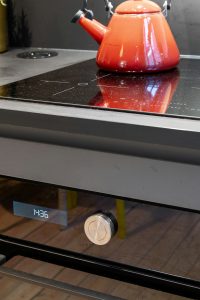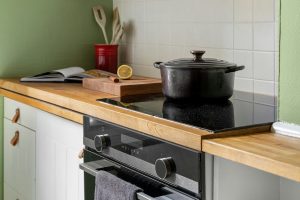
A Samsung cooktop (NZ induction, NA gas) has no oven cavity, no door, and no water supply — it’s a cooking surface only, with a control system tied entirely to the burners or induction elements themselves. Because of that, its error codes and failure points look quite different from a range or oven, and troubleshooting should focus on the surface and the electronics beneath it.
Common Error codes
- C-F0 / C-F1 / C-F2 — communication problem between the control board and a burner/element module.
- C-20 / C-21 / C-22 — temperature sensor failure at one of the elements.
- C-24 — temperature rising too fast, sometimes tied to a cooling vent for the electronics being blocked underneath the cooktop.
- “u” (underlined) — on induction models, this indicates the cooktop doesn’t detect a compatible pan on that zone; it’s a detection message, not a problem, and clears once suitable induction-ready cookware is placed correctly.
- d0 — stuck control panel button, often from a spill sitting on the touch controls.
- -SE- — key short, meaning a touch control is registering as pressed continuously, frequently caused by moisture or residue on the glass surface.
Symptoms Worth Checking Before Calling for Service
On induction models, a burner that seems “dead” is very often a cookware compatibility issue rather than a hardware problem — induction requires magnetic, flat-bottomed cookware, and thin or warped pans can fail to register even though the zone works fine. On gas models (NA series), a burner that clicks but doesn’t ignite usually traces to a dirty or misaligned igniter rather than the control board. Uneven heating on an electric radiant element can indicate the element itself is failing rather than anything in the control system.
What Homeowners Can Safely Check
- Test induction cookware compatibility with a magnet — if a magnet doesn’t stick to the pan bottom, it won’t work on an induction zone.
- Clean the glass surface and touch controls of spills and residue, which is a very common cause of d0 and -SE- codes.
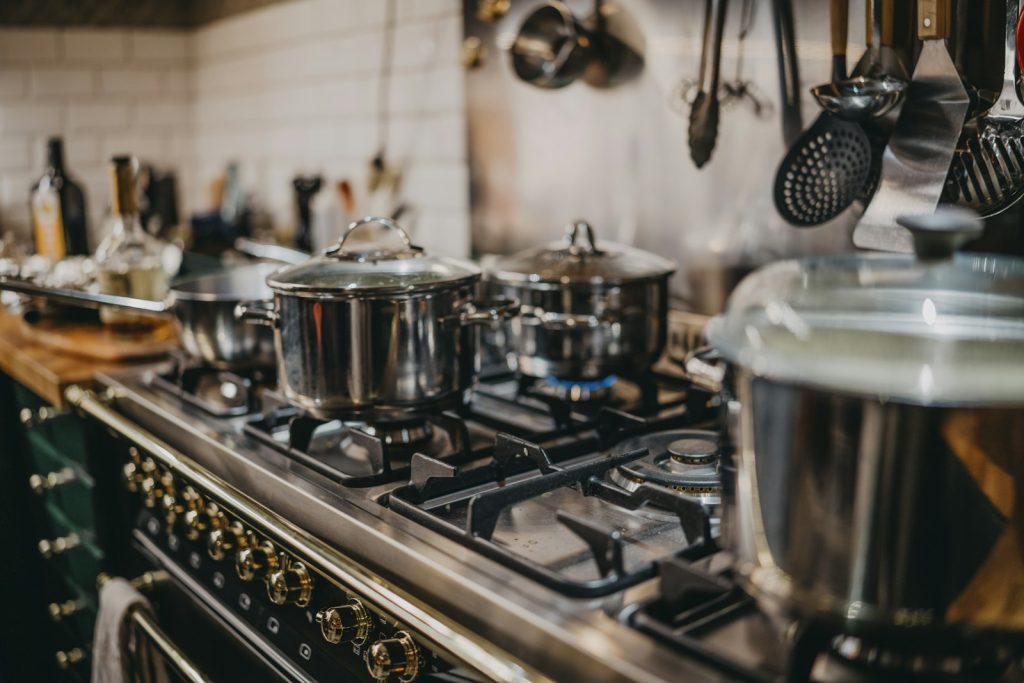
- Clean gas burner caps and igniters of food debris (NA models).
- Check that nothing is blocking ventilation underneath the cooktop, typically inside the cabinet below.
Induction vs. Gas Failure Patterns
Induction (NZ) cooktops fail differently than gas (NA) cooktops because there’s no open flame or moving valve involved — issues tend to center on the coil driver electronics beneath the glass or on the touch control layer, both of which require the panel to be diagnosed with a meter rather than visually inspected. Gas cooktop issues, by contrast, are more often visible and fixable at the surface level: a dirty igniter, a clogged burner port, or a misaligned burner cap. If you’re comparing symptoms against a gas cooktop’s troubleshooting steps, be aware that most of that advice doesn’t apply to an induction unit at all.
When to Call a Technician
Repeat C-20/C-21/C-22 codes with known-compatible cookware, or a C-F0/F1/F2 communication problem, point to an internal module issue that needs proper diagnosis rather than DIY troubleshooting — cooktop control boards are integrated into the glass or steel surface assembly and aren’t a simple swap. Our cooktop repair service can pin down the exact cause, and our cooktop error code reference covers the full list.
We are an independent appliance repair service and are not affiliated with Samsung.