A Samsung washer that gets basic upkeep every month will typically avoid the two most common service calls: drain clogs and gasket odor. None of the routine takes more than a few minutes, and most of it applies whether you have a WA top-load or a WF front-load machine.
Monthly Tasks
- Run the Self Clean / Eco Drum Clean cycle (found on most WA and WF models) with an empty drum, using the affresh or Samsung-branded washer cleaner rather than bleach alone. This clears the biofilm that causes musty odors, especially in front-load units.
- Clean the drain pump filter on front-load models — it sits behind a small panel at the bottom front of the machine. Coins, buttons, and hair accumulate here and are the single most common cause of drain error codes (5E/5C).
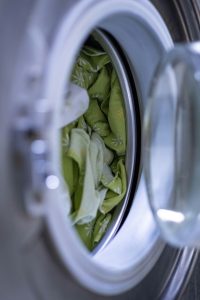
- Wipe the door gasket on WF models, including the underside of the fold, where water pools and mildew forms. Leave the door cracked open between loads so the drum can dry out.
- Clean the detergent drawer and its cavity — residue buildup here is a common cause of the mildew smell owners often blame on the drum.
Quarterly and Seasonal Tasks
- Inspect the fill hoses for bulging, cracking, or corrosion at the connection point, and replace them every three to five years regardless of appearance — this is cheap insurance against a burst hose flood.
- Check that the machine is still level; a washer that has shifted out of level over time is a leading cause of excess vibration and UE unbalance codes.
- Clean the top-load agitator or impeller area of any built-up detergent residue.
- If your model has a lint filter (some WA top-load units do), clean it — lint that bypasses the filter is a common cause of drain restriction.
Detergent and Load Habits That Matter
Using too much detergent — even HE-rated detergent — is the leading cause of oversudsing (SUd) problems and also leaves residue that feeds odor-causing bacteria. Use the amount recommended for your water hardness and load size, not the fill line on the cup. Avoid consistently washing only small loads on the same cycle; varying cycle types and occasionally running a hot wash helps flush residue that a cold-only routine leaves behind.
Front-Load-Specific Care
Front-load WF machines benefit from a slightly different routine than top-load WA machines because of the sealed drum and horizontal-axis design. After heavy-soil loads, run an extra rinse to flush residue before it has a chance to settle into the gasket folds. If your model has a drawer-style dispenser for pods or liquid detergent, remove and rinse the dispenser insert periodically, since gel and powder residue there is a common source of odor that owners often mistake for a drum problem. Top-load WA owners should periodically check the drive belt area (on non-direct-drive models) for detergent buildup that can affect drum rotation over time.
Why This Matters Long-Term
The washers we see fail early almost always have one thing in common: a neglected drain filter or years of gasket buildup that eventually reaches the pump or the door lock switch. Routine cleaning also makes it easier to notice a developing issue — a new noise, a slower spin, a code that appears once and then goes away — before it becomes a breakdown. If you’re noticing early warning signs, our washer repair service can inspect the machine before a minor issue turns into a major one, and the washer error code guide is useful if an error code shows up between maintenance visits.
We are an independent appliance repair service and are not affiliated with Samsung.